James Rath, a legally blind Franklin resident who travels with a guide dog, is one of the riders named in a federal lawsuit accusing Lyft of discriminating against passengers with disabilities.
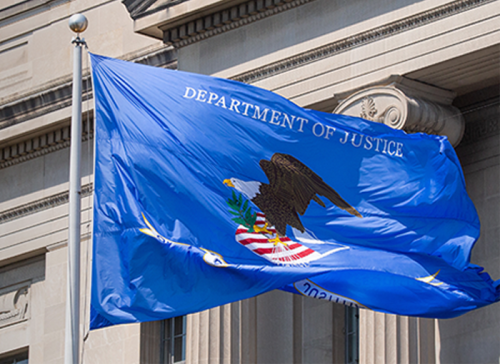
The U.S. Department of Justice (DOJ) filed the suit Monday, Nov. 9, in the U.S. District Court for the Northern District of California, according to the DOJ's announcement. The DOJ is seeking $53 million for affected riders who submitted complaints to Lyft or the department, along with policy changes, driver training and a civil penalty.
Rath's connection to the case was reported by WSMV. The federal complaint alleges Lyft drivers repeatedly denied Rath rides even though he uses an app feature to notify drivers in advance that he travels with a guide dog. The DOJ says the denials have occurred repeatedly since Rath got his guide dog in November 2025, according to WSMV.
Stranded at an airport
In one incident in June 2026, Rath requested a late-night ride home from an airport. The driver allegedly said he did not take dogs and drove away without canceling the trip, according to the complaint. That left Rath unable to request another Lyft while he waited for the driver to cancel.
The lawsuit says Rath complained through the app, but Lyft did not follow up until he posted about the experience on social media three months later. The company gave him a $10 credit, the complaint says.
Broader allegations
The case extends beyond service-dog riders. The DOJ alleges Lyft drivers have also denied rides to people who use stowable wheelchairs and other mobility devices. The complaint accuses Lyft and its drivers of charging cancellation fees to riders who were unlawfully denied service and refusing to let riders with mobility disabilities sit in the front seat when needed, according to the DOJ announcement.
The suit alleges Lyft violated Title III of the Americans with Disabilities Act of 1990 (ADA), which prohibits private transportation companies from discriminating based on disability.
"Individuals with disabilities should be able to rely on rideshare services free of discrimination," Acting Assistant Attorney General Jesus A. Osete of the DOJ's Civil Rights Division said in a statement. He added that the department intends to uphold the ADA's promise of equal access in all parts of public life, including transportation.
Lyft's response
Lyft rejected the accusations, according to WSMV. The company said its policies require drivers to accommodate riders with service animals or mobility devices, and that drivers who violate those policies face consequences including permanent deactivation. Lyft said it cooperated with the Justice Department during its review.
The federal government sued Uber under the same law last year, seeking $125 million for riders who had complained to Uber or the Justice Department about alleged discrimination, according to Quartz. Uber rejected those accusations.
The DOJ is asking the court to order Lyft to stop the alleged discrimination, change its policies and train its staff and drivers on ADA requirements.