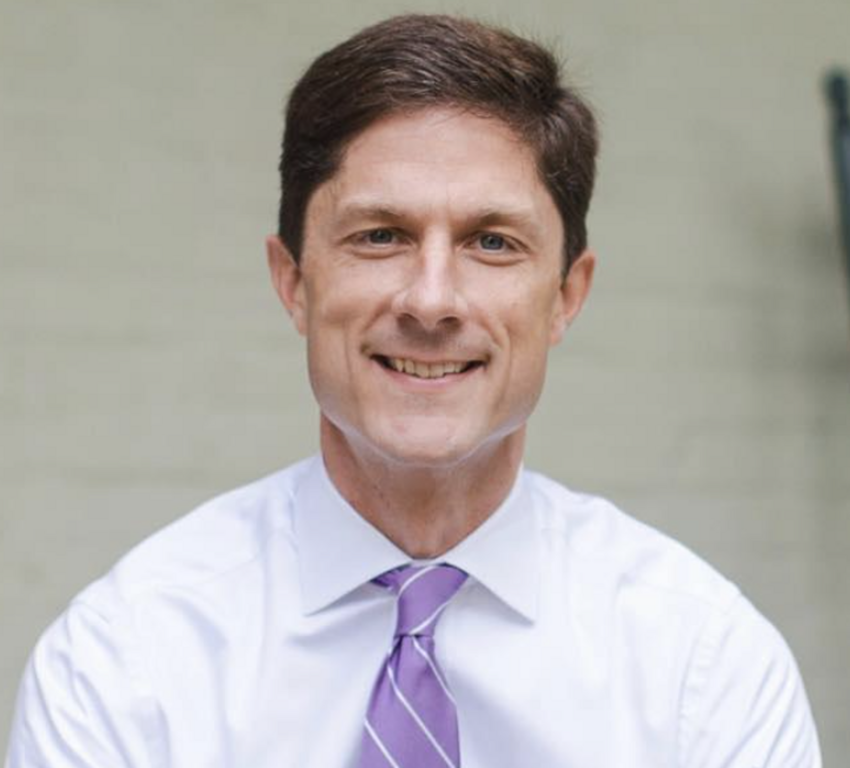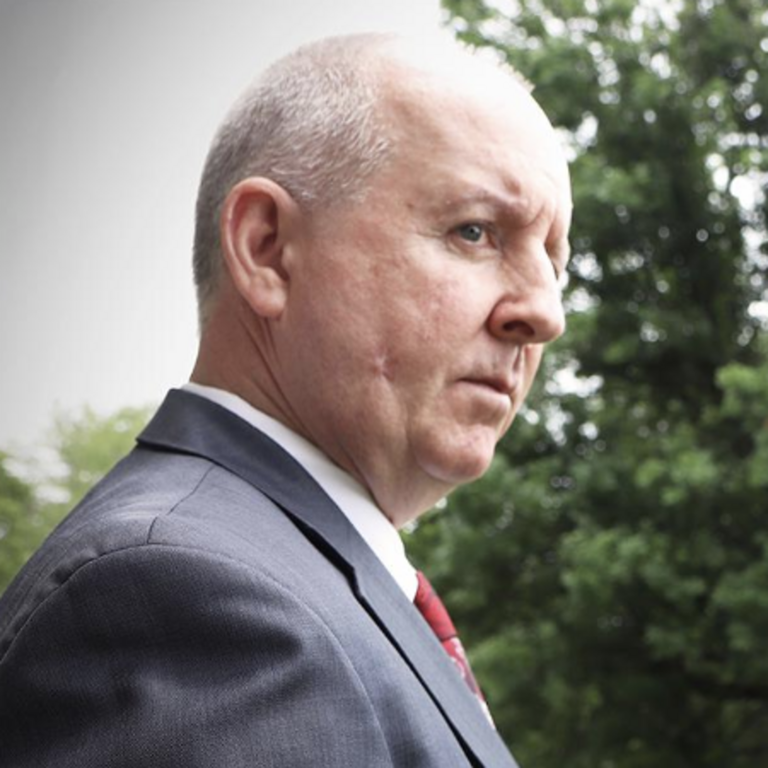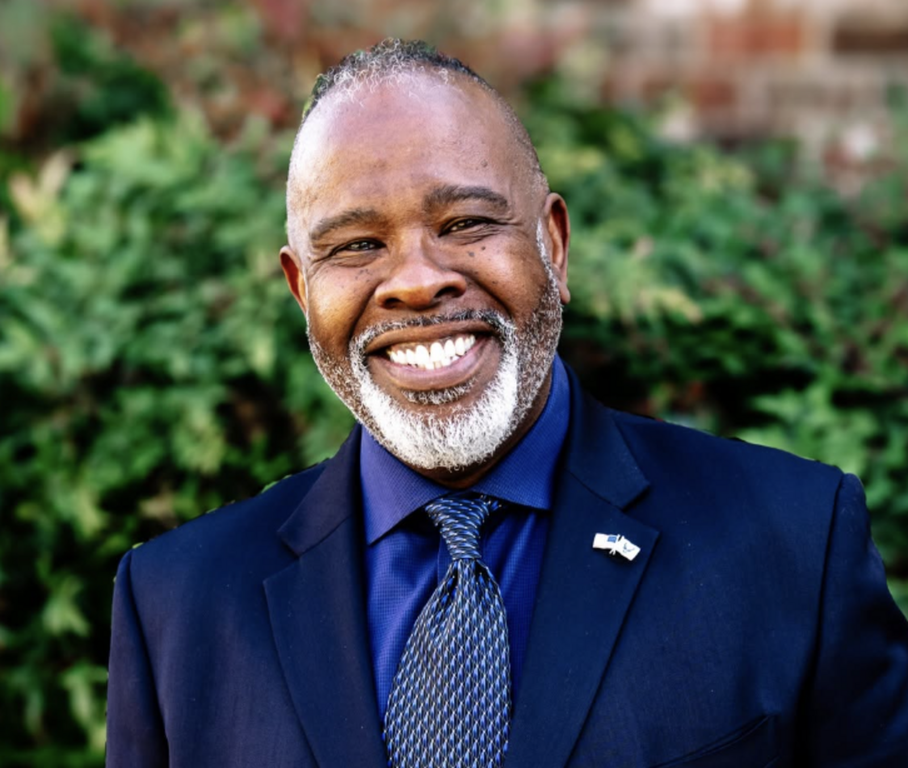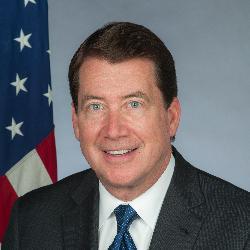
Sen. Bill Hagerty, a Republican, is running for reelection to the U.S. Senate representing Tennessee in the Nov. 3, 2026, general election. He has been certified for the ballot, according to BallotReady election data.
Nine other candidates are also in the race: Marquita Bradshaw (Democratic); Andrew Gerena (Independent); Catherine Barcel Whitson (Independent); David Sutman Jr. (Independent); James William Macon III (Independent); Jeremy Dean Hearn (Independent); Robert Jones (Independent); Tharon Chandler (Independent); and Yoshi D. Matthews (Independent).
Candidate information
- Party: Republican
- Residence: Davidson County, Tennessee
- Family: Wife, Chrissy; four children
- Education: Bachelor of arts in economics, Vanderbilt University, 1981; juris doctor, Vanderbilt University Law School, 1984, according to Vanderbilt Law School. Graduated Phi Beta Kappa and attended law school as a Patrick Wilson Scholar.
- Hometown: Born in Gallatin, Tennessee, according to his campaign website. Hagerty said he was raised in a working-class family; his mother was a schoolteacher and his father, a veteran, worked road construction.
Experience and public service
Hagerty has held the U.S. Senate seat representing Tennessee since Jan. 3, 2021, according to the United States Senate.
Hagerty said on his campaign website that he serves on four Senate committees: the Committee on Banking, Housing and Urban Affairs; the Committee on Foreign Relations; the Committee on Appropriations; and the Committee on Rules and Administration.
Before the Senate, Hagerty served as U.S. ambassador to Japan from 2017 to 2019, according to Vanderbilt Law School. He served as commissioner of economic and community development for Tennessee from 2011 to 2014, according to his campaign website. Hagerty said Tennessee became the top state for jobs created through direct foreign investment during his tenure and earned back-to-back "State of the Year for Economic Development" awards.
His resume spans both parties' administrations. Hagerty served as a senior leader on the 2016 Trump transition team, according to BallotReady, and was a White House fellow in the George H. W. Bush administration, working in the Office of the Vice President, according to Vanderbilt Law School. He founded and served as managing director of Hagerty Peterson & Co., according to Vanderbilt Law School, and worked as a consultant at Boston Consulting Group, according to his campaign website.
On the issues
The following positions are drawn from Hagerty's campaign issues page.
Economy and technology: Hagerty said he wrote the GENIUS Act, which he described as a conservative initiative to restore American leadership in next-generation technologies, strengthen domestic capital formation and counter threats from China. He called it a centerpiece of the national debate on economic competitiveness.
Taxes and budget: Hagerty said he supports a balanced budget amendment to the Constitution. He said he wants to keep taxes low and make the tax code "simple, fair, low, and permanent" while encouraging job creation. He said he is committed to cutting federal spending.
Infrastructure: Hagerty said he will work across party lines to close the digital divide and ensure all Tennesseans have access to reliable internet.
Energy and environment: Hagerty said he opposes the Green New Deal and supports the exploration and development of fossil fuels. He said he wants to repeal renewable fuels standards and scale back environmental regulations.
Drug policy: Hagerty said three Tennesseans lose their lives each day to the opioid epidemic. He said all levels of government must work together on prevention, enforcement, treatment and recovery programs.
Endorsements
The following endorsements are attributed to the sources indicated:
- Donald J. Trump, according to Hagerty's campaign website
- Senate Conservatives Fund, according to BallotReady
Candidate positions and biographical details were drawn from Hagerty's campaign website, BallotReady data and Vanderbilt Law School. Statements attributed to the candidate reflect his own claims and have not been independently verified by the Franklin Beacon.